
Arpit Dance Academy
C, 5th Avenue Gaur City, D-26, 11th Ave, Gaur City 2, Greater Noida, Ghaziabad, Uttar Pradesh 201309, India
Arpit Dance Academy is a bustling cultural hub tucked into the lively lanes of Satyaniketan, New Delhi, where the city’s ceaseless traffic gives way to an air thick with tabla, tanpura, and student laughter. The institute sits on the second floor of a modest two-storey building whose saffron façade and peeling Bollywood-era murals have watched the street evolve from a sleepy campus enclave to a magnet for performing-arts enthusiasts. Step inside and you leave the clamour of scooters behind: cool terrazzo corridors open onto two mirrored studios that can each hold forty dancers without touching elbows, plus a third, slightly smaller chamber reserved for pure rhythm work.
The heartbeat of Arpit Dance Academy is the music that leaks through every closed door. Kathak classes start with the gentle clatter of ghungroos warming up, then move into a dialogue with live tabla played by resident percussionist Ustad Imtiaz Khan. Down the hall, a harmonium drones steadily while senior girls perfect the syncopated thirteen-beat cycle of teentaal. In the early evening the mood shifts: classical rigs are exchanged for Bluetooth speakers thumping pumped-up dandiya remixes, or for immersive eight-channel surround rigs used for experimental Bharatanatyam-fusion nights.
Acoustically, the studios are impressive for a rented property. Thick cork underlay beneath the maple-sprung floors absorbs heavy ghungroo strikes, while ceiling-mounted baffles cut flutter echo so rhythmic subtleties remain crisp. Students swear the mirror wall on the western side reflects sound as well as movement; during monsoon power cuts, tabla players can still mark laya by watching half-second-ahead reflections of their own hands.
Much of the Academy’s sonic character comes from its vast instrument archive: three octaves of tablas, the oldest dating back to the founder’s 1978 tour with Birju Maharaj, a mellow rosewood harmonium reputedly played by Anuradha Pal, and a collection of djembes, duffs and thavil that appear only during summer intensives. A locked cupboard contains prototype electric ghungroos designed by Arpit himself—sleek chrome anklets with embedded piezoeelctrics that transmit real-time footstrike data to Ableton Live.
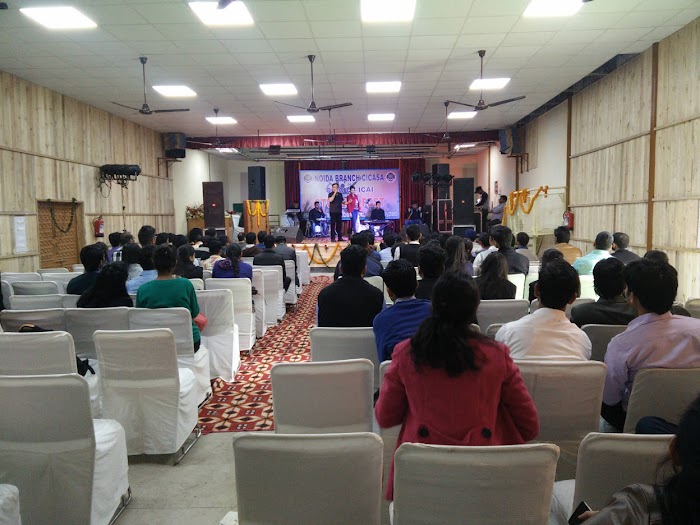
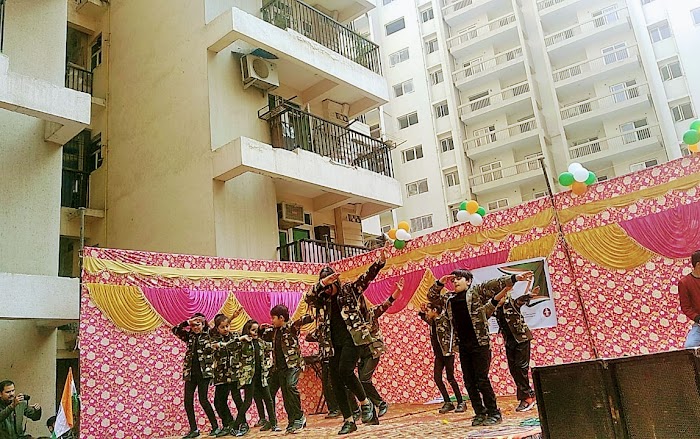
Friday nights transform the main studio into a black-box auditorium. House lights drop, LED par strips pick up ankle bells in electric blues, and for three hours the academy performs itself: alumni, faculty and fearless beginners share a single stage with only one rule—sound must come from the body or from instruments you can carry. The resulting playlist might segue from Banaras gharana jugalbandi to lo-fi Carnatic beatboxing in minutes, yet the audience-aroma of marigold and Nescafé conjures the same sense-memory every time.
Altogether, Arpit Dance Academy is less a building or even a school than a living membrane where classical and contemporary India vibrate at 440 Hz and everything in between.
Check on Google Maps






- Published: August 4, 2025